

At eHealth NSW, we believe our strength lies in the diversity and unique perspectives of our people, shaping our culture and collaboration. This diversity not only drives innovation but also helps us create meaningful change for the communities we serve.
This year, the holy month of Ramadan began at sunset on Friday, 28 February. A sacred time in the Islamic calendar, Ramadan is dedicated to fasting, worship, service, and spiritual reflection.
To support our workforce during Ramadan, we encouraged thoughtful adjustments, such as flexible working hours and scheduling meetings earlier in the day to accommodate prayer and energy levels. These small yet meaningful considerations help create a more inclusive workplace.
Our colleagues Sobia Qidwai and Farhan Arif reflect on Ramadan 2025, sharing how it deepened their connections to family and faith, strengthened their compassion for others, and their thoughts on technology’s role in modern observance.
Sobia Qidwai
Senior Strategy Analyst, Investment, Strategy and Procurement

How do you reconnect with your spirituality and sense of self during Ramadan?
For me, Ramadan serves as a powerful reminder of how fortunate and privileged we are to have the freedom to eat and drink whatever we like, whenever we like, while so many around the world do not have that privilege.
Like many who observe Ramadan, I try to slow down and take time for reflection. I also make a conscious effort to be kinder—whether through small gestures or helping others in meaningful ways.
Are there any myths or misunderstandings about Ramadan that you’d like to clear up? For example, the common ‘Not even water?’
Many people assume that fasting during Ramadan is simply about not eating or drinking from dawn until sunset. While this is a significant part of the practice, Ramadan is much deeper than just physical abstinence. It is a time for self-discipline, self-control, and self-reflection. It also fosters acts of charity, gratitude, and empathy.
Farhan Arif
Senior Subject Matter Expert – Medical and Dental Rostering and Payroll, Service Delivery
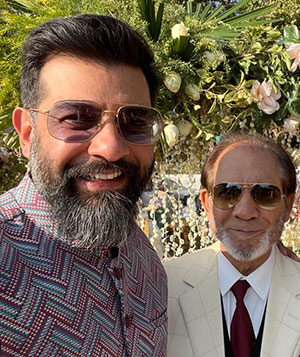
Do digital platforms play a role in your Ramadan experience, especially when it comes to connecting with others?
In Ramadan, there is additional focus on the 5 daily prayers and times at which to start and stop eating daily. I use prayer apps and subscribe to daily reminders on my devices. Distancing myself from social media, I replace it with some reading time, YouTube for lectures, audiobooks and podcasts for Islamic content. Chat groups on text apps organised by social, cultural or mosque organisations run worldwide. I have a daily video call with my parents and siblings, sometimes with friends and family worldwide through this month.
These applications are especially good for new Muslims who are looking for communities of support and help on all matters of their new faith and fasting.
How has Ramadan influenced your connection to your faith and sense of belonging?
Islam focuses on purifying one’s body, soul and all that one consumes including means of production and incomes. On a daily basis it’s the 5 prayers, weekly it’s the Friday congregation and annually it’s the fasting month that serve as reminders. Foregoing basic human sustenance requirements reminds me not only of my weaknesses but also my strengths through discipline, and to have gratitude for the blessings I enjoy. Globally, Ramadan is the month in which the highest amounts of charity are given for this reason. It refreshes my sense of charity, community, gratitude and service every year.


